 Unleash the power of AI learning
 Teaching Through Crisis: Lessons from Remote Learning During COVID-19
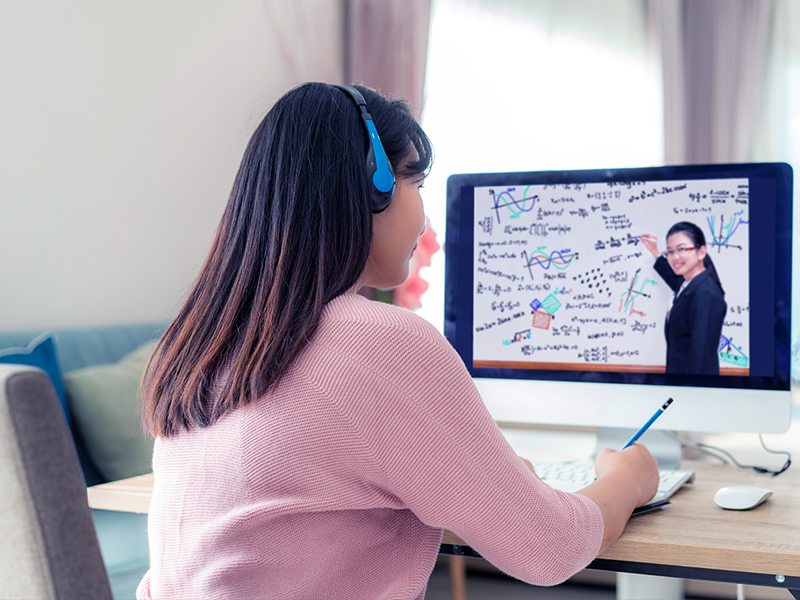
The COVID-19 epidemic was a defining worldwide event that changed almost every facet of life; education was not spared. Schools and universities all around the world shut their doors practically overnight and switched to remote learning, thereby starting teachers, pupils, and families into a new reality of teaching and learning from home. Though born out of the crisis, this fast change revealed strong lessons about equity, technology, adaptability, and the ongoing human need to connect and learn.
The Shift to Remote Learning
When the pandemic hit, educators had little first training to rethink their classrooms in a virtual environment. For many, this was unexplored territory; some institutions had previously included digital technologies into their curriculum. Keeping education happening despite school closures was the first emphasis—continuity. Zoom, Google Classroom, Microsoft Teams, and other such platforms emerged as critical tools. Digital delivery required modifications to lesson plans, and teachers started testing live sessions, asynchronous material, and fresh approaches to assessment.
This unscheduled remote learning experiment exposed both the advantages and drawbacks of current educational structures. It emphasized how essential technology is for contemporary education but also drew attention to the differences in access and preparation throughout various communities.
Flexibility and Innovation
The necessity of adaptability from remote education was among the most important lessons learned. Teachers had to shift from fixed timetables toward more flexible, student-oriented methods. This change inspired teaching methods, including flipped classrooms, project-based learning, and differentiated instruction suited to various learning preferences.
Educators also became more creative. Virtual science experiments, digital storytelling, and online collaborative projects became common as teachers searched for engaging ways to teach remotely. The crisis drove teachers to consider beyond established approaches, and in doing so, many found new tools and methods that will still be useful even in post-pandemic classrooms.
Highlighting Inequities in Education
Remote learning revealed and aggravated longstanding inequities in education even as it offered fresh possibilities. Low-income family students sometimes went without suitable devices, dependable internet access, or even quiet study environments. English language learners and special education pupils encountered particular difficulties in finding individualized help.
This inequality spurred a critical discussion on digital inclusion. Schools, municipalities, and charitable groups raced to give underprivileged pupils internet access and gadgets. The pandemic taught us that access to tools, assistance, and a safe learning environment equitably in education goes beyond just curriculum. Going forward, closing these gaps will be essential for all pupils to thrive.
The Role of Parents and Guardians
Remote learning fundamentally changed the interaction between parents and teachers. Suddenly, parents were not just supporters of education—they became co-teachers. This closer participation helped many parents develop a greater appreciation of the work teachers do and offered new insight into their children’s strengths and struggles.
However, it also caused stress. Often without direction, many parents balanced full-time employment with overseeing their children’s education. Schools that maintained open, supportive communication and provided resources for parents were better able to foster a positive home learning environment.
Stronger school-family collaborations going ahead have been made possible by this encounter. Clear communication, empathy, and collaboration between educators and families will be essential components of resilient educational systems.
Mental Health and Well-Being
Another key lesson from remote learning was the importance of mental health. Students, teachers, and parents faced unprecedented stress and isolation. Teachers not only had to deliver academic content but also provide emotional support, often through a screen. Many students struggled with anxiety, depression, and lack of motivation.
The pandemic emphasized that well-being must be a central part of education. Schools began integrating social-emotional learning (SEL), wellness checks, and mental health resources into their remote learning plans. As we move forward, these supports must continue and evolve to meet the emotional needs of both students and educators.
Preparing for the Future
COVID-19 has forever altered the educational landscape. The remote learning experience proved that education can continue in times of crisis — but it also showed that preparation is key. Moving forward, schools must invest in digital infrastructure, provide professional development for teachers in online pedagogy, and develop emergency plans that include flexible learning options.
Blended learning models, which combine in-person and online education, are likely to become more common. These models can offer students more personalized, accessible, and engaging learning experiences, provided they are implemented thoughtfully and equitably.
Conclusion
Teaching through crisis tested the resilience, creativity, and compassion of educators around the world. Remote learning during COVID-19 was far from perfect, but it was a testament to the adaptability of the human spirit in the face of adversity. The lessons learned during this time—about flexibility, equity, collaboration, and care—should not be forgotten. Instead, they should guide us toward building a more inclusive, resilient, and future-ready education system.